


By Coach Merv Moore
Sports Director
Every legacy begins with a sketch—a few jagged lines on a napkin, a mental map drawn in the quiet hours of the morning, or a shared dream whispered between founders. For the Bohol Coconuts Baseball & Softball Club, that sketch didn’t just represent a sports field; it represented a bridge between a quiet island in the Philippines and the bright lights of the global stage.
The vision was never just about chalk lines and batting tunnels. It was about answering a singular, echoing question: What happens when you give world-class potential a world-class home? Today, that vision is transitioning from the ethereal world of “what if” into the tangible world of “what is.”
The Coconuts Performance Center is more than a facility; it is a movement. It is a physical manifestation of a mission to develop elite athletes, foster mental toughness, and create global opportunities for youth who have the heart of a champion but lacked the cathedral in which to worship their craft. We aren’t just building a place to play; we are building the engine room to develop high-end teenage baseball and softball prospects.
The Big Idea: What the Performance Center Really Is
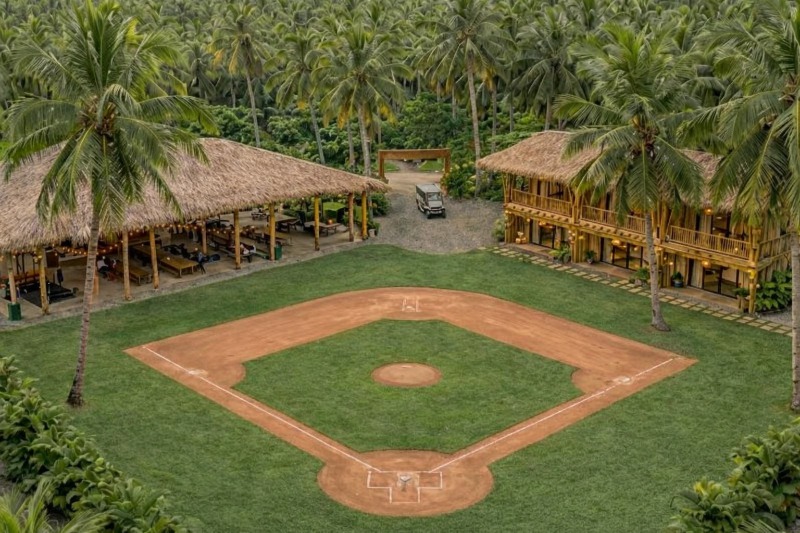 To understand the Coconuts Performance Center, one must look past the grass. At its core, this is an elite baseball and softball training hub, designed specifically to facilitate the “Jim Brock” style of hitting—a philosophy rooted in spatial movement, visual processing, and aggressive intent.
However, the “Big Idea” scales much further than just swinging a bat. The Center is a youth development ecosystem. It is a place where a 13-year-old prospect from a local village can access the same data-driven training, nutritional guidance, and psychological coaching as a blue-chip recruit in Texas or Florida.
By integrating community, lifestyle, and high-performance sport, we are creating a destination that serves as a professional-level prospect factory. The ultimate goal? It’s bold and it’s specific: Developing the first Filipino MLB superstar. We believe that player is already out there, likely holding a worn-out glove on a dusty field in Bohol. The Performance Center is the lighthouse that will bring them home and the launchpad that will send them to the “Show.”
Phase 1: The Blueprint (Concept & Planning) Where the Dream Took Shape
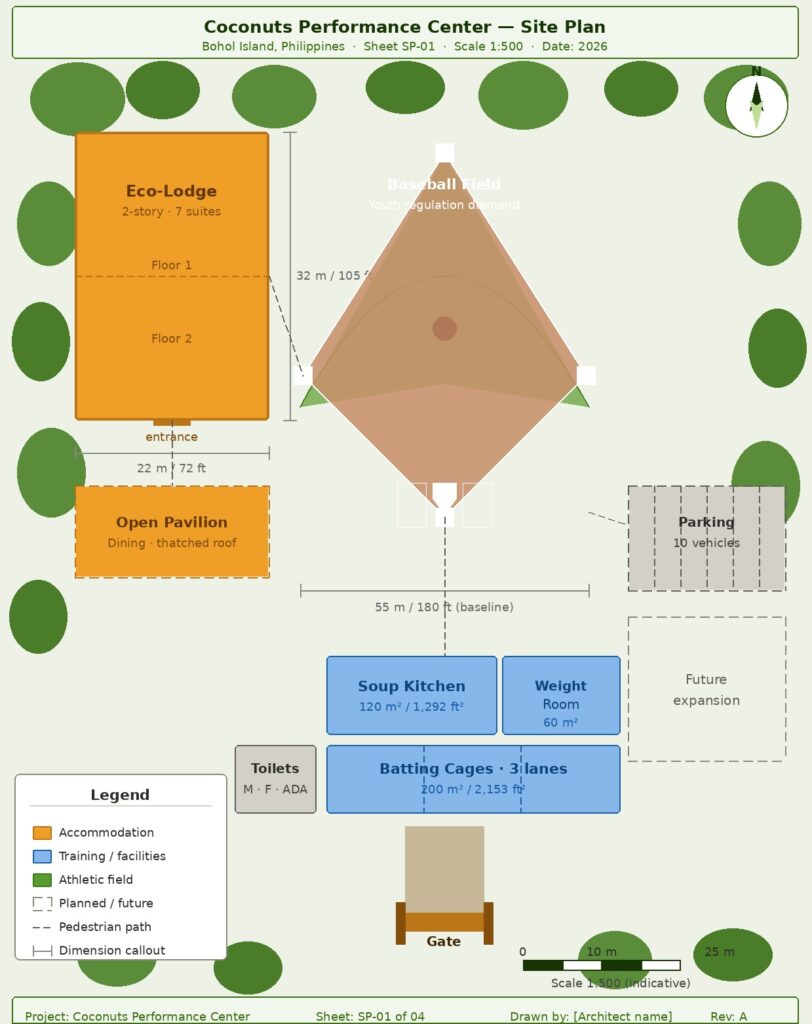
The first phase wasn’t about moving dirt; it was about moving ideas. Site selection in Bohol was critical. We needed a location that balanced accessibility with the serenity required for a focused training environment. We chose a site that allowed us to marry the natural beauty of the island with a sophisticated facility layout.
The blueprint prioritized functional flow:
The Baseball Infield: A meticulously graded surface designed for high-repetition defensive work.
Training Zone A: Two dedicated batting tunnels to develop “old school” hitters with high batting averages.
Training Zone B: A weight room to help teenagers become elite professional athletes.
Eco-Lodge Integration: Planning how our residential suites would sit alongside the field to create a 24/7 immersion experience.
The early challenges are significant. Remote logistics in the Philippines require a different kind of patience. Budget constraints meant we couldn’t just throw money at problems; we had to out-think them. This was about strategic vision vs. a typical sports facility. We weren’t building a park for the public; we were building a laboratory for elite performance.
Phase 2: Securing the Foundation (Funding & Support) Turning Belief into Backing
A blueprint remains a piece of paper without the fuel of capital and community. Phase 2 focused on the “Founders Club”—a group of early supporters who saw the potential of the Coconuts before the first shovel hit the ground.
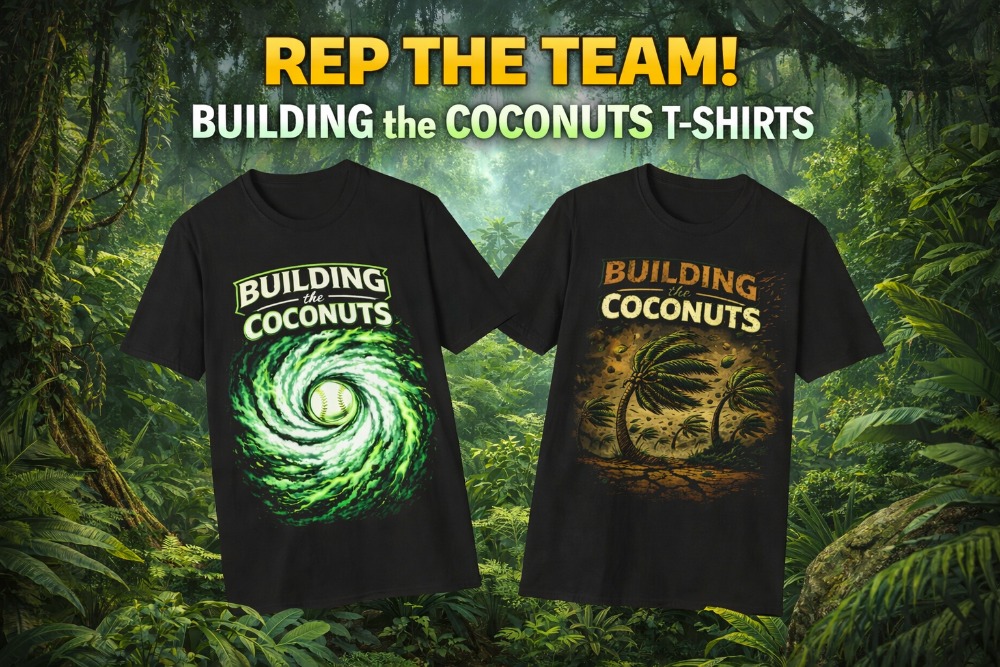
We didn’t want to rely solely on traditional fundraising and donations. We wanted to build a merchandise ecosystem, where every cap and t-shirt sold became a “brick” in the facility. This turned our supporters into stakeholders. Furthermore, the involvement of international coaches and local volunteers will create a sense of shared ownership. This isn’t just a corporate project; it’s a mission-backed investment. When people support the Coconuts, they aren’t just buying into a team—they are buying into the future of a child.
Phase 3: Breaking Ground (Early Construction) From Jungle Land to First Structures
 There is a specific kind of magic in the smell of cleared land. Phase 3 in June will be the “dirt and sweat” phase. Clearing the tropical overgrowth and prepping the site required navigating the unique terrain and weather patterns of Bohol.
Infrastructure basics—the unglamorous work of utility setup and field groundwork—will form the backbone of this stage. We will face supply chain hurdles because of the global oil crisis, but this challenge will became part of our story. This reality will be captured in our docuseries, “Building the Coconuts,” which documents the raw, unpolished journey of transforming a jungle plot into a field of dreams. We wanted the world to see that greatness isn’t born; it’s built—one drainage pipe at a time.
Phase 4: Building the Core Facilities—Constructing the Athlete Engine
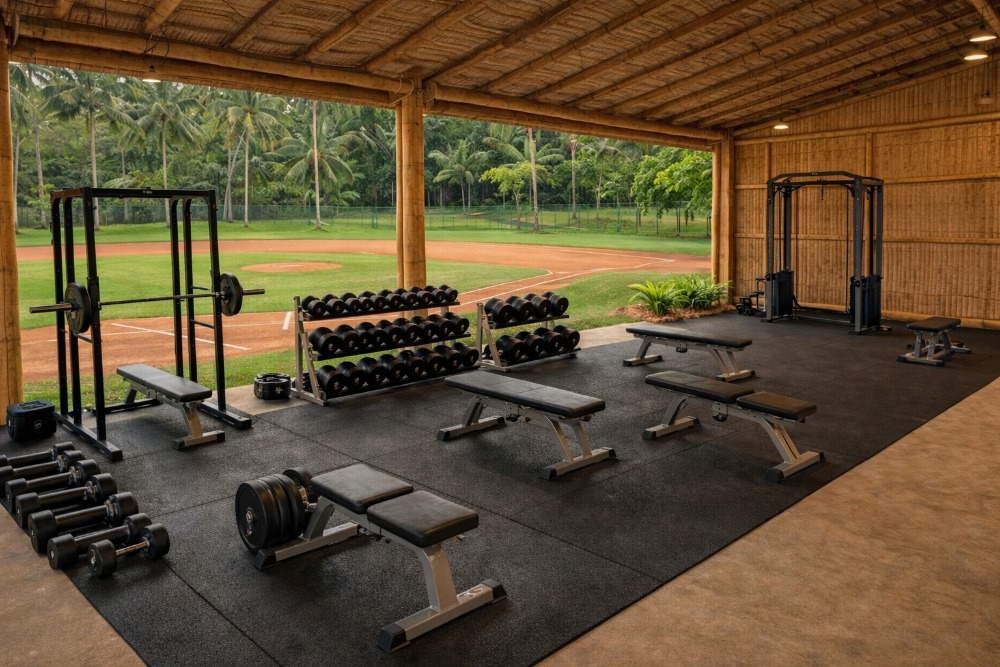 When the structures began to rise, our focus will remain disciplined: Player development first, luxury second. The core facilities are designed to be “The Athlete Engine.”
Baseball Infield: Built to professional dimensions to ensure players are “game-ready” for international scouts.
Covered Training Areas: Because development shouldn’t stop when the tropical sun is at its peak or the rain begins to fall.
The Development Zones: High-intensity areas for repetition and strength training.
We are building a culture of elite standards. Every square foot of the core facility is designed to remind the athlete that they are there for a purpose: to master the game.
Phase 5: The Eco-Lodge Integration—Where Sports Meets Lifestyle
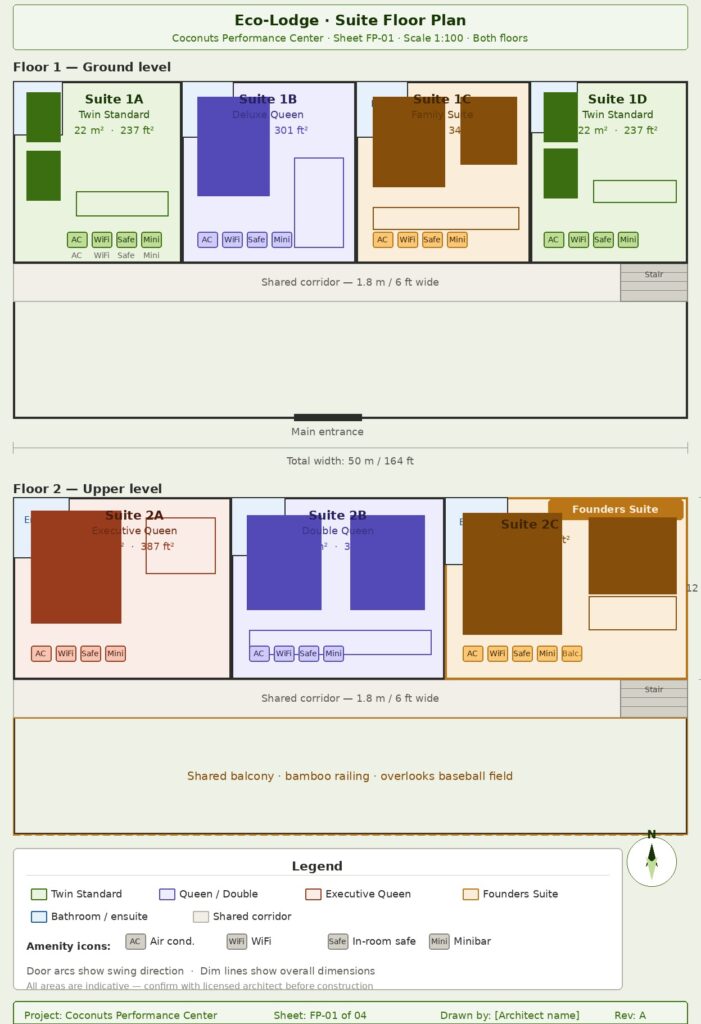
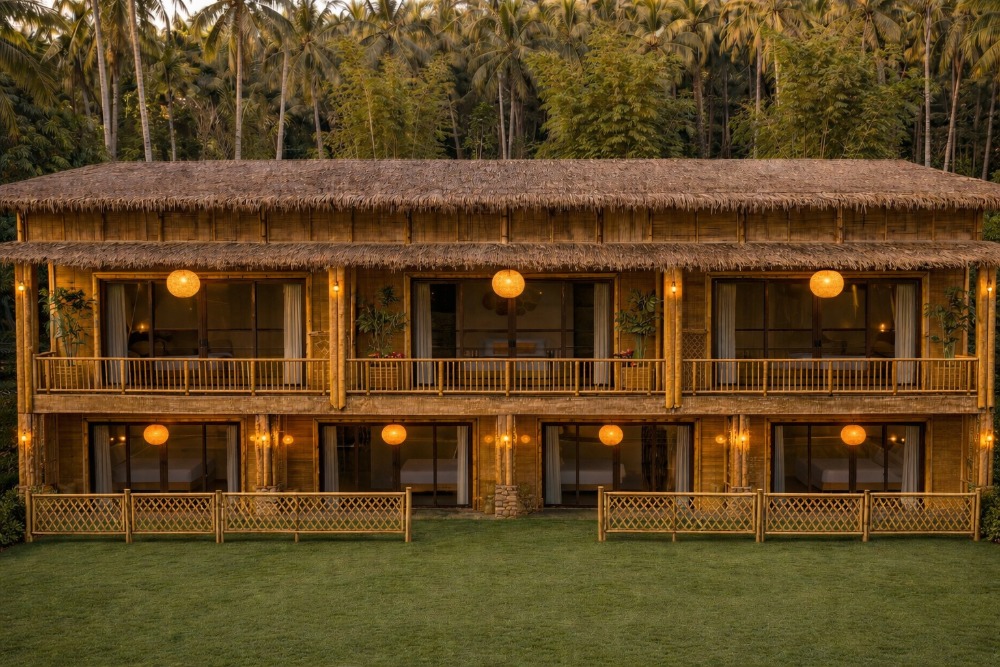
What sets the Coconuts Performance Center apart is the Eco-Lodge Suites. We realized early on that to be a global destination, we needed to provide more than just a place to practice—we needed a place to live.
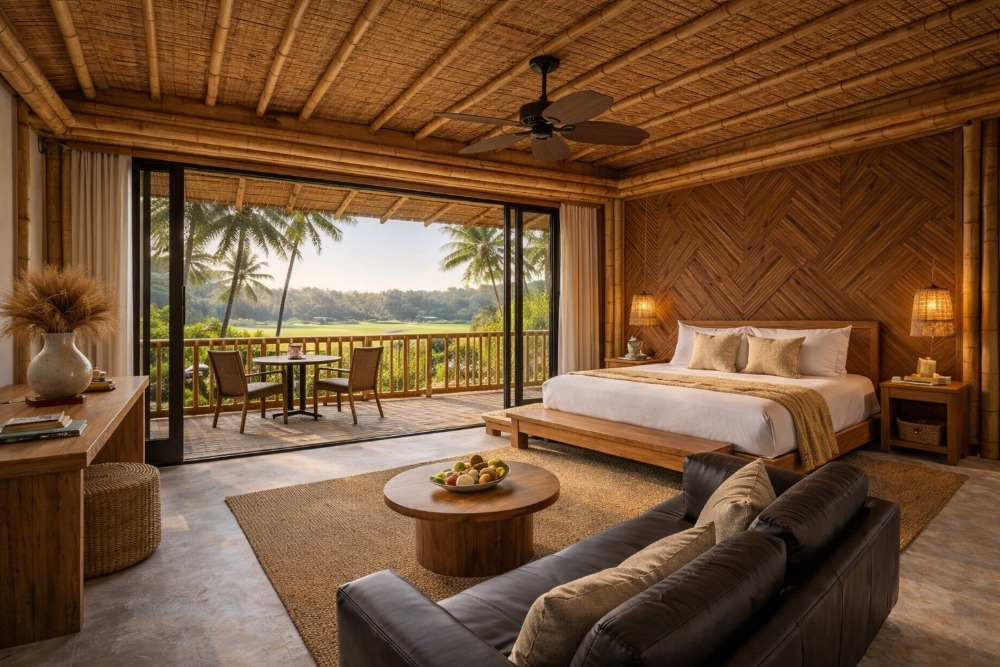
The Eco-Lodge Suites serve a dual purpose. First, they provide high-quality housing for visiting coaches, scouts, and international guests. Second, they act as a revenue engine for sustainability. By creating a sports-tourism hybrid model, we ensure that the club remains financially independent. It’s a unique positioning: a training destination that feels like a retreat, allowing athletes and supporters to immerse themselves in the “Coconuts Lifestyle” while contributing to the club’s longevity.
Phase 6: Building the Community Ecosystem. More Than a Facility—A Movement
While the athletes are the focal point, the Performance Center is a heartbeat for the broader community. We believe in holistic development—creating better people, not just better ballplayers.
Our ecosystem includes:
Academic Support: Ensuring our youth members excel in the classroom as much as on the diamond.
The Community Kitchen: Focusing on nutrition and providing meals for our players and staff.
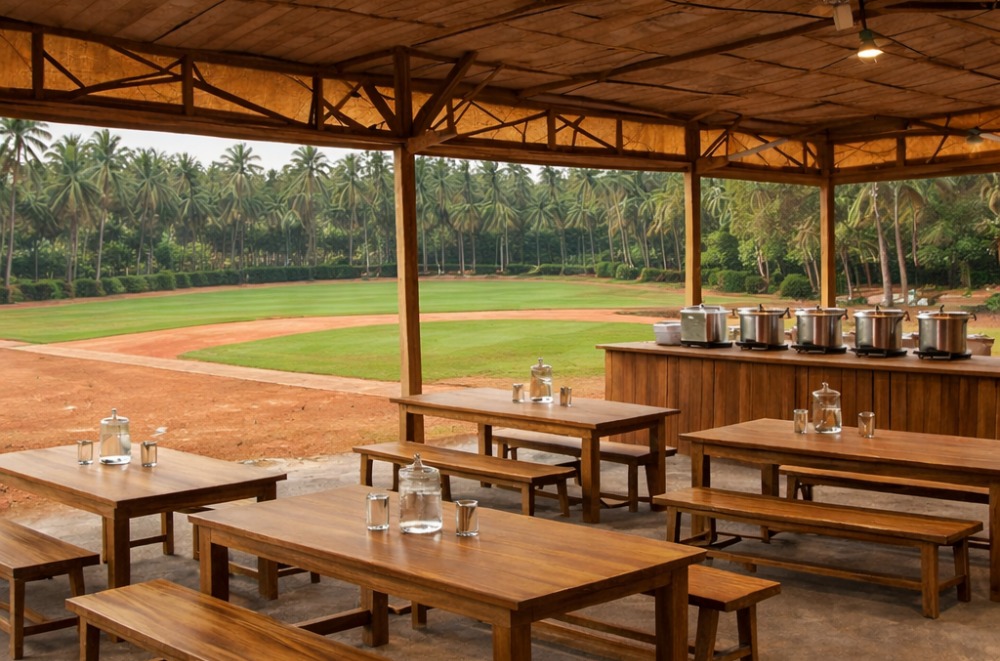
Livelihood Projects: Animal husbandry and Backyard Gardens supports the Soup kitchen and helps families earn part-time income.
Volunteer Programs: Engaging local families in the upkeep and spirit of the club.
When a young person joins the Coconuts, they are entering a brotherhood and sisterhood that values discipline, service, and education.
Phase 7: Media & Momentum. Documenting the Build in Real Time
In the digital age, if a tree falls in the forest and no one posts it, did it even happen? We are leveraging a global storytelling engine to ensure the world is watching Bohol.
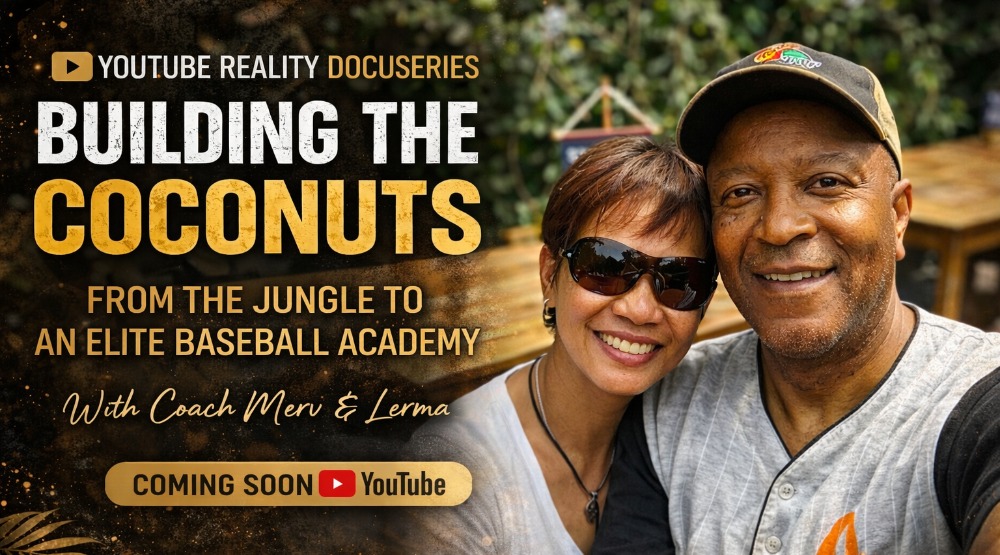
The docuseries “Building the Coconuts” is our primary tool for transparency and recruitment. By sharing the daily wins and the crushing setbacks, we build a global audience that is emotionally invested in our success. This content isn’t just marketing; it’s a recruitment tool for the next generation of players and a way for our international supporters to see exactly where their contributions are going.
Phase 8: Operational Launch—Opening the Doors to the Future
The moment the first athlete steps onto the finished field is “Day 1 of a long-term legacy.” The operational launch isn’t a finish line; it’s a starting block.
Early success indicators will be measured in two ways:
Quantitative: Increases in bat speed, exit velocity, and strike zone discipline.
Qualitative: The pride in a player’s eyes when they put on the Coconuts uniform for the first time.
The training programs beginning in June will mark the official shift from planning to competition.
Phase 9: Scaling the Vision. What Comes Next
We are already looking at the horizon. Scaling the vision means expanding our footprint—more facilities, more Eco-Lodge Suites, and a deeper talent pipeline. We are building professional pathways that lead from the dirt fields of Bohol to the academies of the United States and Japan. Our long-term vision is global recognition as the premier developmental hub in Southeast Asia.
The Bigger Picture: Why This Matters
Why go through the struggle of building a performance center on an island? Because this is about more than baseball.
Youth Opportunity: We are providing a path out of poverty and a road toward higher education.
Economic Development: The Coconuts Performance Center creates jobs, drives tourism, and puts Bohol on the map for something entirely new.
Tourism Integration: We are proving that sports can be a sustainable driver for local economies.
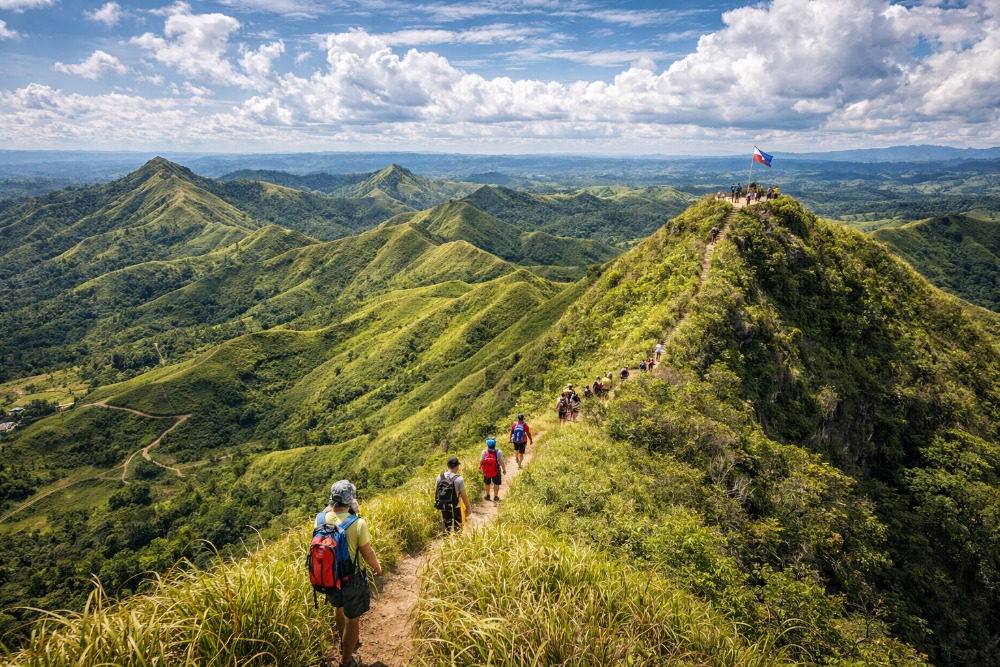
We aren’t just building a training facility; we are building a future. We are proving that with the right blueprint and enough heart, the “impossible” is just a project that hasn’t started yet.
Join the Build: The Reality is Just Beginning
This is a rare moment in time. The Coconuts Performance Center is no longer a dream—it is a rising reality. But the most important part of the build is still missing: You.
This is your invitation to be “early” to a legacy. Whether you follow our journey on social media, join our Founders Club, or tune in to the “Building the Coconuts” docuseries, you have a role to play in this story.
We aren’t just building a place to play; we are building a place to become.