

The Funding Architecture
of a Dream
How Lerma Moore and the Bohol Coconuts are building a financial model that doesn’t depend on the families who can least afford it, and why getting that structure right before the first kid walks onto the field is the difference between a program that changes lives and one that burns out in two years.
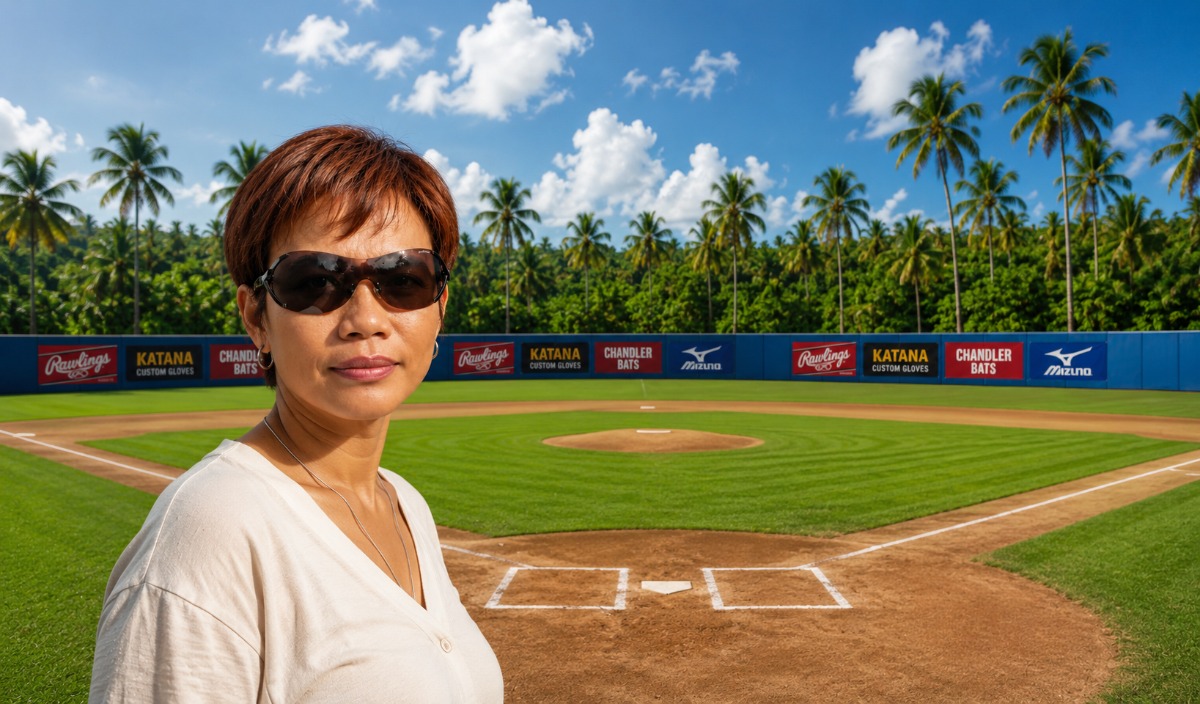
Before the first pitch is thrown. Before the first bat cracks at practice. Before one parent pays the small membership fee, the Bohol Coconuts are doing something most youth sports programs in the Philippines never bother with. They are building the money machine first.
There is a pattern familiar to anyone who has watched grassroots sports programs rise and collapse across Southeast Asia. A passionate coach. A community hungry for something to believe in. A handshake agreement. Some donated jerseys.
Then, within 18 months, the quiet conversation: we need to raise fees. And then another conversation. And then the kids from the poorest families start missing sessions, then disappearing entirely. And then the program, with the best intentions in the world, becomes just another opportunity for the families who were already doing okay.
Moore, the General Manager of the Bohol Coconuts Baseball and Softball Club, has seen that movie. She is determined not to be in it.
“The families who need this most are exactly the ones who can’t front a large monthly fee. So we built a program where a token fee is the gateway. We have a 30 peso membership fee that everyone can afford.”
It is a radical-sounding idea wrapped in fairly straightforward logic. If you want a community youth baseball and softball program to genuinely serve the community, rather than the slice of the community that can afford participation, you have to fund it from sources other than the participants themselves.
Sponsors. Merchandise. Docuseries. Eco-Lodge Suites. Partnerships with regional and international businesses. The families of the children who attend should be the beneficiaries of the funding architecture, not the load-bearing walls of it.
This is the model the Bohol Coconuts are attempting to build in Cambanac, Bohol. And they are doing it with unusual discipline, mapping out revenue streams and stakeholder relationships before the program is operational, so that the structural decisions are made when there is still time to make them thoughtfully.
A native Boholano, Moore also serves as a Barangay Councilor for Cambanac, bringing a structural advantage most youth baseball and softball programs never have: a direct, formal connection to local government and community infrastructure. That is not a minor detail. It is potentially the difference between a club that rents a borrowed infield and a club that has a real home.
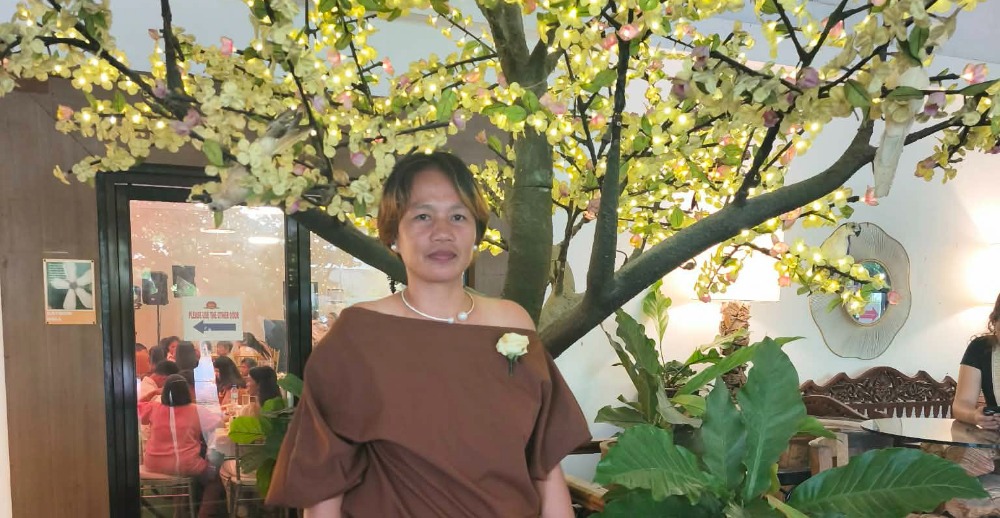
“Being on the council means I’m already in the room when decisions about community resources are made. The Coconuts don’t have to knock on the door — we already have a chair at the table.“
That institutional presence matters most not when things are going well, but when there is a problem to solve: a field that needs maintenance, a permit that needs processing, a piece of barangay infrastructure that could serve double duty as a training resource. The kinds of frictions that kill volunteer-run programs are navigable when the person running the program is also on the governing body of the barangay.
It also matters for trust. Families in Cambanac already know Lerma Moore as a public servant, someone accountable to the community in a formal sense. The Bohol Coconuts are not an outside project landing on their doorstep. They are an initiative rooted in the barangay’s own leadership.
Most youth sports programs in the Philippines begin with passion and a field. The Bohol Coconuts are beginning with governance, funding architecture, and a civic anchor, and building the program on top of that foundation. The sequence matters as much as the intention. And for a baseball and softball club with an infield to build and equipment to fund, getting that sequence right is everything.
The Bohol Coconuts are building something genuinely unusual: a youth baseball and softball program that treats financial sustainability as a prerequisite, not an afterthought. In the short history of grassroots baseball development across the Visayas, that level of structural intentionality is rare. Most programs figure out the money problem when it becomes a crisis. The Coconuts are trying to solve it before they have players.
The measure of success, Moore has said from the beginning, is not trophies. It is not the size of the program or the recognition in Tagbilaran. It is simpler than that: is the kid from the family with the least still at practice on month 18? If the answer is yes, the model is working. If it is no, something structural failed, and no amount of passion from the coaches fixes a structural failure.
“The measure isn’t whether we’re still running in two years. The measure is whether the families who needed this most are still part of it in two years. That’s a different question, and a harder one.” — Lerma Moore
The Bohol Coconuts are still in the pre-launch phase. The YouTube docuseries is being prepared. The partnerships are being scoped. The uniforms have not been ordered. But the blueprint, the financial and governance architecture that will determine whether this program lasts, is being drawn with unusual care and unusual honesty about what it takes for a youth baseball and softball club to actually serve the community it says it’s for.
In Bohol, on the streets of Cambanac, a coconut tree doesn’t grow overnight. It takes years before it bears fruit. But once it does, it keeps giving for generations. The Moores are planting something they believe can do the same.