
Using Baseball and Softball to Market Something Bigger Than Sports
The Bohol Coconuts brand is built around a sport, but the mission is about economic mobility, educational access, and human dignity.
The sport is the invitation. What happens after people walk through the gate is something else entirely. For the Bohol Coconuts, baseball is not the destination. It is the most brilliant door they have ever built.
In a province better known for the Chocolate Hills and the tarsier than for curveballs and stolen bases, something remarkable is happening on a modest baseball field in Barangay Cambanac. A club called the Bohol Coconuts has decided that the surest path to economic empowerment, educational opportunity, and human dignity for the people of Bohol runs through a sport most Filipinos have never played.
That might sound counterintuitive. Baseball is not soccer. It is not basketball, the nation’s de facto religion. But the Coconuts understood something that most community organizations miss: people do not rally around mission statements. They rally around teams.
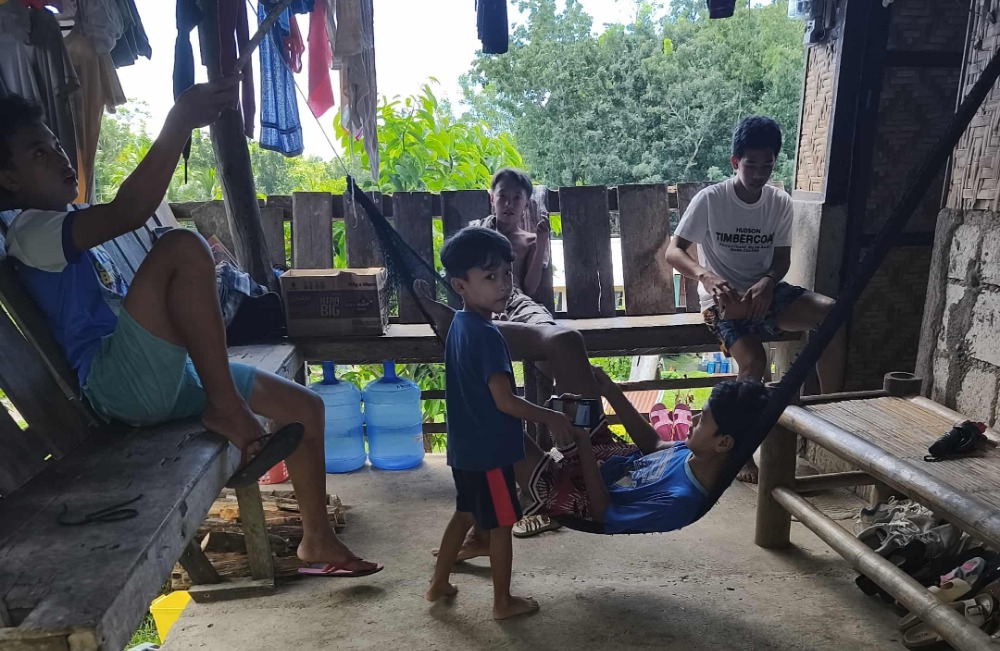
A group of young boys sitting on a porch in Cambanac with nothing to do on a Sunday afternoon.
Every great community brand uses some version of what marketers quietly call the Trojan Horse approach: lead with something people already want, then deliver what you believe they truly need. For the Coconuts, baseball is the horse. The mission is the cargo.
The club is being built on a simple but layered premise. Bohol is a place of immense natural beauty and genuine human warmth, yet economic opportunity remains uneven. Young people with talent and drive too often find that the path from potential to possibility is blocked by circumstance. The Coconuts set out to change that, not through charity, but through belonging.
“We use baseball to get people through the door,” says Lerma Moore, the club’s General Manager and a sitting Barangay Councilor for Cambanac. “But once they are inside, they see what we are really about. And that is when they become believers, not just fans.”
“We use baseball to get people through the door. But once they are inside, they see what we are really about. And that is when they become believers, not just fans.”
▲ Lerma Moore | Coconuts General Manager & Cambanac Barangay Councilor
The challenge in marketing something like the Coconuts is sequencing. Lead with the mission too hard and you alienate people who will show up for a ballgame. Ignore the mission and you lose the depth that turns casual interest into lasting loyalty.
The club’s strategy is elegantly simple: make the baseball and softball elite, make the community visible, and let the story tell itself. A souvenir T-shirt is not just merchandise. It is a flag planted in the ground that says a person was there, that they believe in something. When a visitor from Manila or Texas or Germany picks up a Coconuts tee, they are not just buying cotton and ink. They are buying into a narrative about a place that dared to dream differently.
The club’s apparel line, available at their Printify-powered online store, has become an unexpected ambassador program. Fans who wear the gear in airports, classrooms, and offices become walking conversation starters about Bohol, about baseball, about what a small community can build when it refuses to accept its limitations.

“Building the Coconuts” gear will be promoted to a worldwide audience starting June 23.

The Eco-Lodge will fund operating costs and allow the club to actually build, and not endless fundraising .
What makes the Coconuts brand durable rather than trendy is the clarity of its value architecture. The club does not try to be everything to everyone. It organizes its identity around three pillars that are bold enough to inspire and specific enough to be believed.
In traditional marketing, a funnel moves people from awareness to interest to desire to action. The Coconuts funnel works differently, and the divergence is instructive for any organization that wants to build lasting community rather than transactional membership.
A person hears about a baseball game in Bohol. Curiosity might be the only reason they show up. Then they meet the players. They see Lerma Moore moving through the crowd, not just as a club official but as a barangay councilor who has staked her civic credibility on this project. They notice the kids watching from the fence, wide-eyed at something new. And somewhere between the first pitch and the final out, the experience crosses from entertainment into something that feels important.
That transformation does not happen by accident. It is the product of intentional brand design, of choosing what values to embody and then embodying them consistently in every touchpoint, from the field conditions to the merchandise quality to the way staff treat every single person who walks through the gate.
“The sport is the front door. Everything beyond it is the reason the house was built.”
▲ Lerma Moore | Coconuts General Manager & Cambanac Barangay Councilor
| Stage | Entry Point | Brand Touchpoint | Outcome |
|---|---|---|---|
| Awareness | First hearing about Bohol baseball | Social media, word of mouth, news | Curiosity sparked |
| Attendance | First visit to the Cambanac field | Live atmosphere, community energy | Emotional engagement begins |
| Identity | Buying a Coconuts T-shirt | Souvenir & apparel collection | Personal brand alignment |
| Advocacy | Sharing the story with others | Mission narrative, docuseries | Organic ambassador created |
| Belief | Supporting beyond sports | Founders Club, sponsorships | Long-term community member |
The Building the Coconuts docuseries is the most sophisticated expression yet of this brand logic. By inviting cameras behind the scenes, the club transforms its own process of becoming into a public narrative. Every challenge becomes a chapter. Every setback becomes a lesson. Every milestone becomes a reason for a viewer somewhere in the world to feel personally invested in what happens next in Barangay Cambanac.
This is the modern playbook for mission-driven organizations: do not advertise the mission, document it. The difference is the difference between a billboard and a friendship. One announces. The other earns.
The Coconuts understand this instinctively, even if the language of brand strategy is not the language they use around the dugout. They know that people do not change their minds because of facts. They change their minds because of stories they feel they have witnessed themselves.
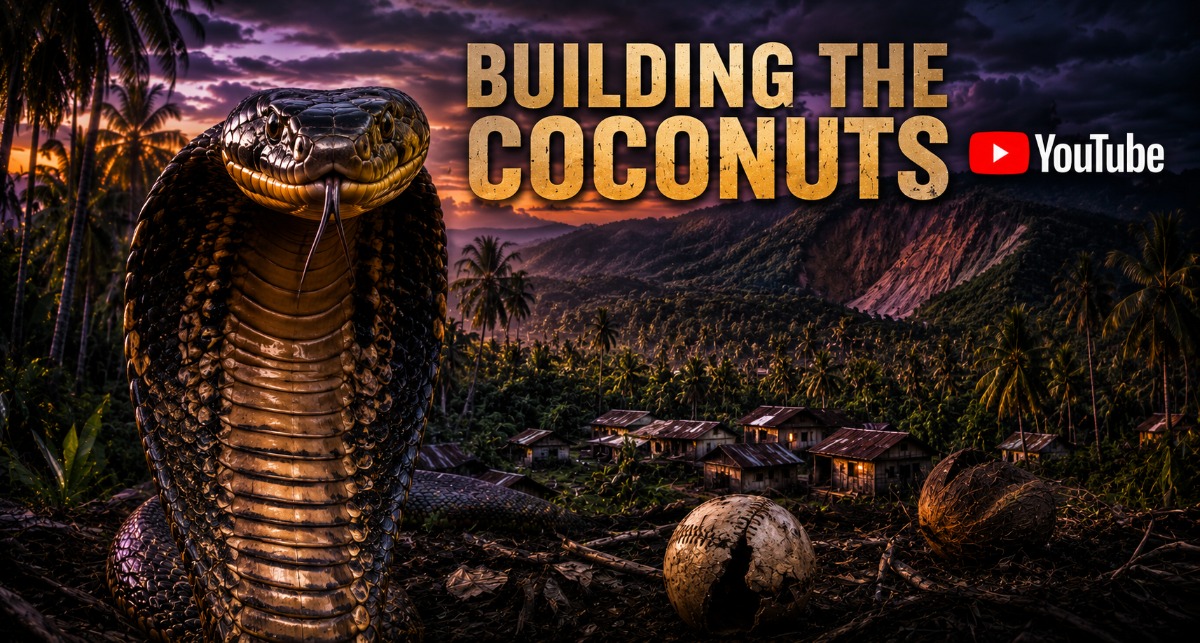
The Building the Coconuts docuseries brings the club’s story to a global audience, premiering June 23.
The Coconuts model is exportable. Not the baseball, specifically, though the sport travels better than most people assume. What is exportable is the underlying architecture: choose a high-visibility activity that your community can gather around, build genuine excellence in that activity, and then use the attention it generates to illuminate a deeper purpose.
The key is that the deeper purpose must be real. The Coconuts are not performing community development. They are doing it, and baseball is the vehicle that makes the doing visible and the story shareable.
For sponsors, this creates an opportunity that is increasingly rare: authentic association. In a landscape saturated with curated content and performative corporate values, the chance to attach a brand to something genuinely rooted in place, purpose, and people is worth more than any banner ad ever printed.
“The club that builds authentic community around a sport has already won the marketing game. The scoreboard is just decoration.”
▲ Bohol Coconuts Editorial
It is worth pausing on the merchandise, because it illuminates the entire philosophy in miniature. A Bohol Coconuts T-shirt is a seventeen-dollar piece of clothing. It is also a vote. A declaration that the person wearing it has seen what the Coconuts are building and decided to put their name behind it, literally, across their chest.
The twelve designs in the current souvenir collection span mascot art, action illustrations, and heritage wordmarks. Each one is a different entry point into the brand. Some people lead with pride in the island. Some lead with love of the game. Some lead with the simple pleasure of a well-designed shirt they would wear regardless of the team on it. All roads, eventually, lead to the same place: a deeper understanding of what the Bohol Coconuts are actually for.
That is the genius of this club, and the lesson it offers to every organization that has ever struggled to translate a worthy mission into a brand people actually care about. You do not start with the mission. You start with the door. You build a door so beautiful and so welcoming that people cannot help but walk through. And then you show them what you built the house for.