

By Merv Moore
Sports Director & Head Baseball Coach
If there’s one thing I’ve learned from building a baseball program from scratch, it’s that talent is everywhere. You find it in the tall kid with a cannon for an arm, the small one with lightning-quick hands, and the ones who just have that fire in their eyes when they step into the box.
Scouting isn’t just about looking; it’s about seeing. And lately, I’ve been wondering if the biggest league in the world might need a new pair of glasses.
Sponsored Links
You’ve probably seen the numbers. A recent article pointed out a troubling trend: while nearly 30% of MLB players today are Latino (a wonderful reflection of the game’s international reach), the number of Black American players has fallen to around 6%. That’s down from a peak near 20% in the 1980s. For a sport whose history is bravely defined by Jackie Robinson, this isn’t just a statistic; it’s a signal we can’t ignore.
Now, I’m not here to point fingers or stir up controversy. From my little corner of the baseball world, problems are just solutions waiting to be built. So, let’s talk about how the big leagues can widen their net and make sure the next Ken Griffey Jr. or Mookie Betts doesn’t slip through the cracks.
First, Meet Kids Where They Are (And I Don’t Just Mean Geographically)
Baseball has gotten expensive. Travel teams, elite camps, top-tier gear – it adds up. When a basketball hoop and a ball can provide endless fun, the barrier to our diamond can look a little high.
MLB and its clubs need to be the ones tearing down those fences. Think massive investments in public urban leagues, free equipment-lending programs, and bringing free, fun clinics to inner-city parks with the same energy they bring to wealthy suburbs. Make the first touch with the game easy, accessible, and exciting.
Second, Scouts Gotta Scout Differently
I love a good radar gun reading as much as the next coach, but we can’t scout hearts with a radar gun. The traditional “showcase” model often favors kids who can afford to play year-round. We need more scouts in charge of “finding” missions, not just “evaluating” missions at expensive tournaments.
Look for athleticism, coachability, and raw passion in places you wouldn’t normally look. That incredible arm might be playing quarterback, and that lightning speed might be on the soccer field. The pitch is to see an athlete and dream of what they could be on a diamond.
Third, Make the Road to the Show Clear and Welcoming
Getting talented kids to play is one thing. Making them and their families feel this is a sport for them is another. This means more diversity in coaching and leadership roles at every level—from the minors to the front office.
It means providing cultural competency training for coaches and scouts so they understand the backgrounds of their players. It means actively connecting young Black prospects with current and former Black MLB players for mentorship. Seeing someone who looks like you who made it changes what you believe is possible.
Finally, Celebrate the Whole Tapestry of the Game
Marketing matters. MLB’s promotional engine is incredible. Let’s use it to celebrate the full, brilliant history and present of Black players in baseball. Not just during Black History Month, but all year.
Tell the stories of contemporary stars, legends, and pioneers. Make these heroes visible to the next generation. The game’s history is its greatest asset—let’s tell the whole story.
Here in Bohol, we’re trying to build a system that looks for talent in every barangay, regardless of background. We believe it’s the only way to build a true winner. MLB has the same opportunity on a grand scale.
The talent is out there. The passion for the game burns just as bright. It’s on us—the coaches, the scouts, the leagues—to build more gates into the ballpark, not walls around it. Let’s get to work. The next superstar is waiting to be found.
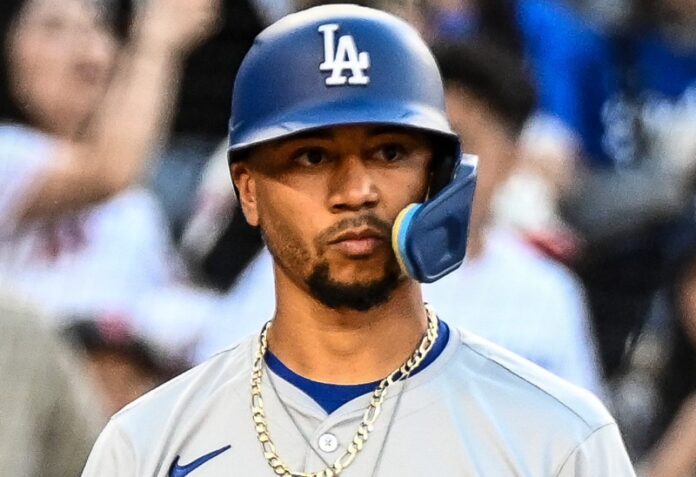
Photo: All-Pro Reels | CC BY-SA 2.0
Marvin “Merv” Moore is the head coach of the Bohol Coconuts Baseball and Softball Club. He has coached in both Europe and Asia, and helped start the Mister-Baseball and BaseballdeWorld international baseball websites.