By Merv Moore
Sports Director & Head Baseball Coach
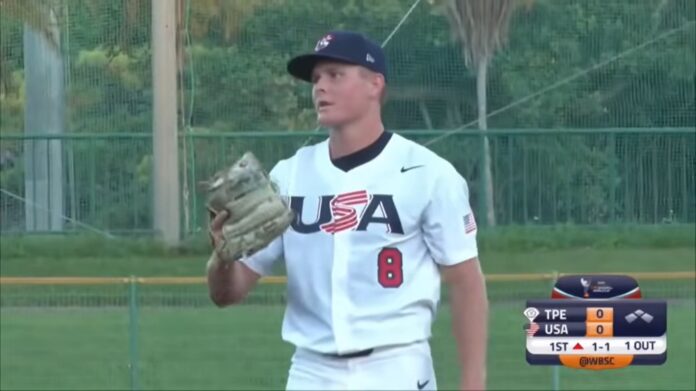
If there’s one thing in baseball more reliable than a Dodgers payroll tweet or a rain delay in Florida, it’s the fact that when the calendar flips to an international tournament, the final game always seems to come down to the same two squads: the good ol’ U-S-of-A and Japan.
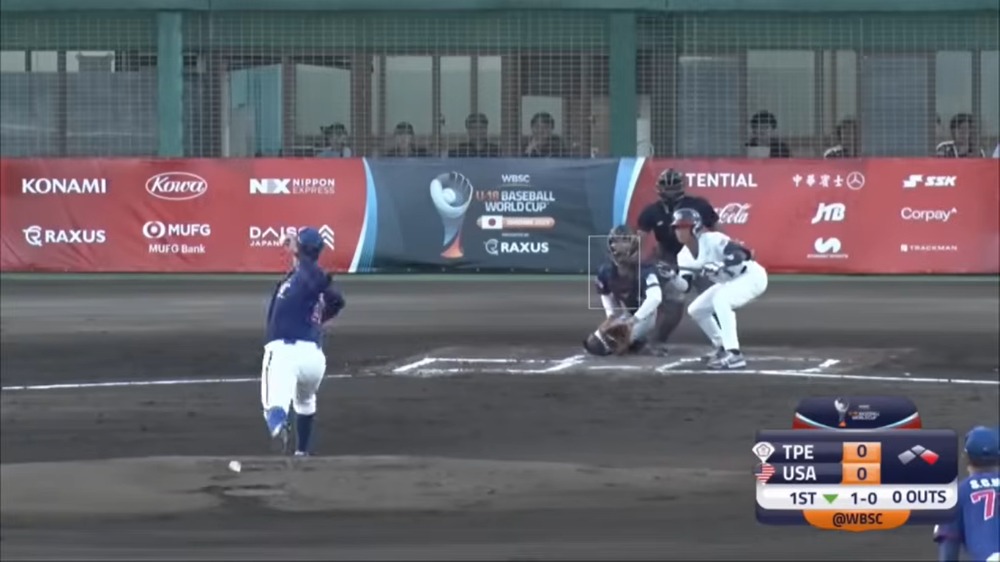
That’s right, folks. The U-18 Baseball World Cup is set for its latest title bout, and who’s staring across the diamond at each other? Team USA and Team Japan. It’s the rivalry that defines modern international baseball, a clash of contrasting baseball DNA, and frankly, the source of half my Twitter feed turning into an informal summit on swing mechanics.
Sponsored Links
So, let’s preview this junior classic. You’ve got the American squad, a collection of future first-round picks who can probably out-bench-press your entire high school. They’re built on power, velocity, and the kind of raw athleticism that makes scouts drool into their radar guns.
Then you’ve got Japan, the meticulous, fundamentally-perfect machine. They play baseball like it’s a martial art—every bunt placed with surgical precision, every relay throw a thing of geometric beauty, and a discipline that makes a Navy SEAL look a bit sloppy. It’s Thunder vs. The Silk Road.
This U-18 final isn’t just a game; it’s a preview of the next two decades of baseball. The winner gets bragging rights, a shiny trophy, and the comforting knowledge that they just sent 18 future big-leaguers into an existential crisis against 18 future Samurai warriors of the NPB.
And speaking of the big leagues, this rivalry is just the youth version of the main event: MLB vs. NPB.
On one side of the Pacific, MLB is all about the three true outcomes and Statcast porn—launch angle, exit velocity, and pitchers who throw 102 mph sliders that defy physics.
On the other, Nippon Professional Baseball is a masterclass in nuance—small ball, defense, pitchers with eight different arm angles, and a dedication to the game’s finer points that borders on religious.
One isn’t better than the other; they’re just different flavors of awesome. MLB is a sledgehammer. NPB is a scalpel. And every few years, when a star like Shohei Ohtani or Yu Darvish crosses the ocean, we get a glorious, hybridized super-weapon that breaks both systems.
Which brings me to my favorite part: the development pipeline. While MLB has its minor league affiliates and NPB has its ikusei (farm) system, I’m trying to build my own version of this developmental arms race right here in the Philippines.
Enter the Bohol Coconuts Farm System.
You think 17 affiliate clubs is overkill? I call it “covering my bases.” We’re building a pipeline from the sandy lots of Bohol to… well, hopefully to somewhere with nicer dirt.
Our model is simple: borrow the discipline and fundamentals from the Japanese model, mix in the athleticism and power-encouragement of the American style, and add a third, critical ingredient: a 20% discount at the team soup kitchen.
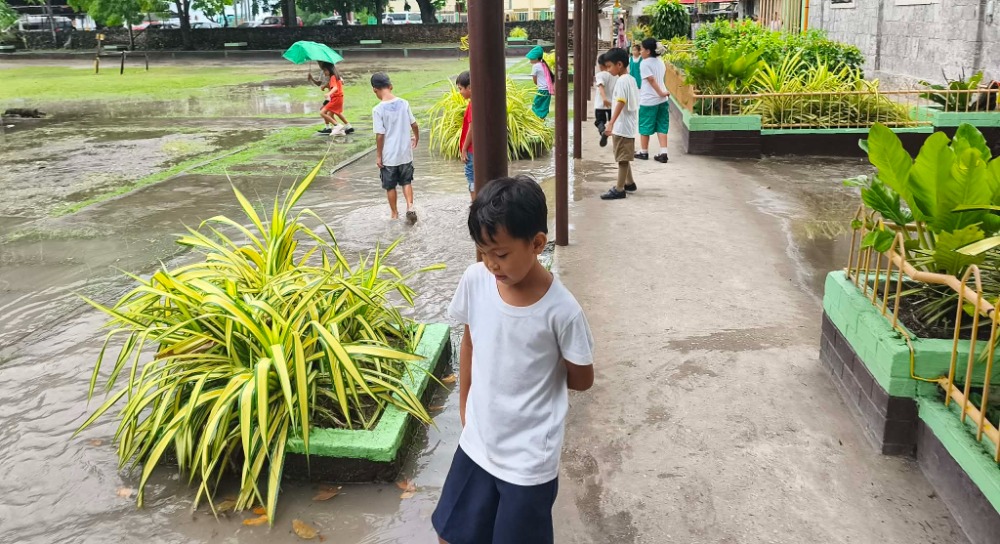
Our U-18 prospects might not have the radar gun numbers of Team USA (yet), and our bunt defense might not be as silky as Japan’s (we’re working on it—the drills involve a lot of coconuts). But our players are learning the game with a unique heart. They play for the love of it, for their community, and for the post-game pancit canton waiting for them at the clubhouse.
So, when you watch the USA and Japan battle it out for global supremacy this weekend, remember: it’s more than a game. It’s a philosophy. It’s a culture. It’s two different answers to the same beautiful question: “How do you win at baseball?”
And somewhere on a field in Bohol, with 17 affiliate clubs buzzing in the background, we’re taking notes from both of them. We may not have a billion-dollar TV deal or a Shinkansen to get us to the stadium, but we’ve got heart, hustle, and a Volunteer Abroad Program that’s ready to recruit anyone who can teach a proper two-strike approach.
Play ball, world. The rivalry continues. And the Coconuts are watching.
Marvin “Merv” Moore is the head coach of the Bohol Coconuts Baseball and Softball Club. He has coached in both Europe and Asia, and helped start the Mister-Baseball and BaseballdeWorld international baseball websites.