

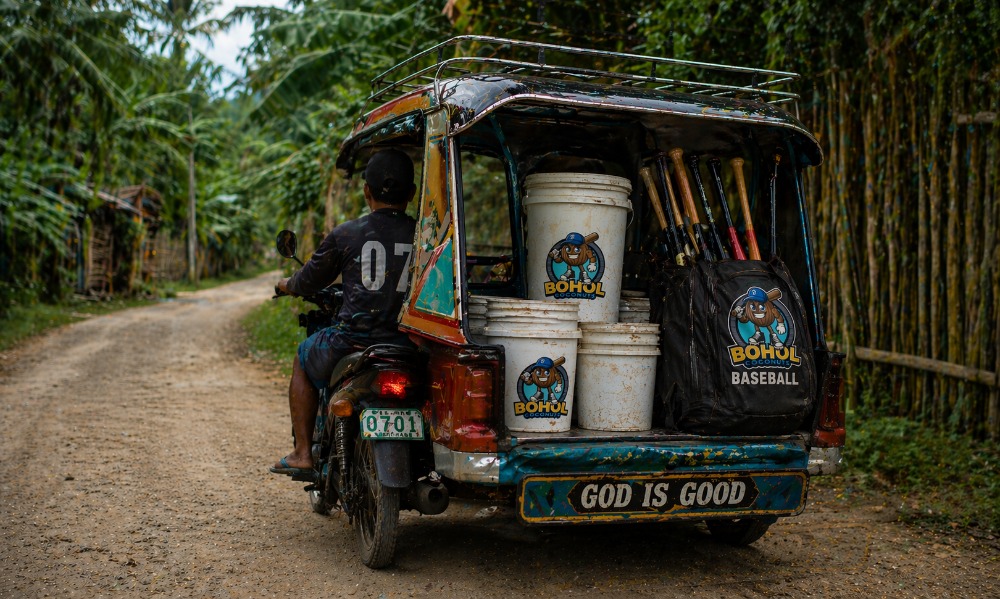
Can a baseball academy carved out of the Philippine jungle actually work? For most Western investors, the proposition sounds like a romantic daydream or a logistical nightmare. There is no established Major League Baseball (MLB) infrastructure here, no century-old baseball culture to lean on, and the remote island logistics of Bohol can turn a simple equipment delivery into a weeks-long saga.
Yet, as the sun rises over the site of the future Coconuts Performance Center, a different narrative is taking shape. This isn’t just a sports academy; it is a sophisticated, hybrid business model designed to solve the one problem that plagues most international athletic ventures: long-term sustainability.
The Foundation: More Than Just a Game
At its core, the Bohol Coconuts Baseball & Softball Club is building a multi-layered ecosystem. While the public face of the project is an elite youth development academy and performance training center, the engine underneath is a unique residency concept.
“This is not a charity,” says Coach Merv Moore, the club’s co-founder and Sports Director. “And it’s certainly not just a sports program. We are building a self-contained world where high-level player development, eco-tourism, and community impact intersect. If you treat it like a traditional non-profit, it dies when the donations stop. We’re building something that breathes on its own.”

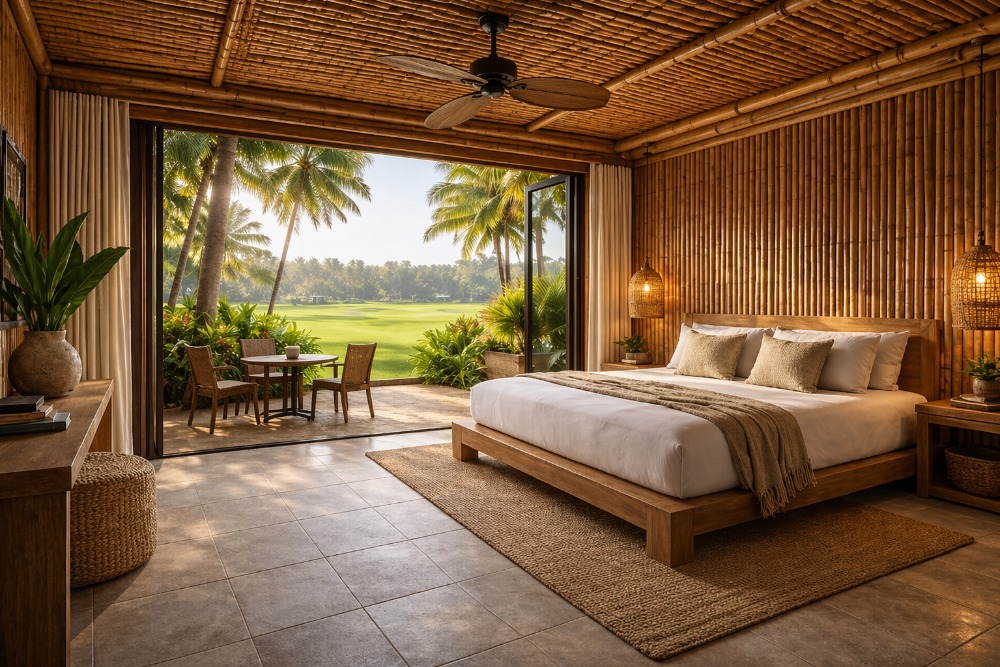
The model integrates the Coconuts Performance Center with “Eco-Lodge Suites,” creating a residency-based environment that serves both the athletes and a specialized class of international participants. It is a mission-driven business aimed at developing the first Filipino MLB superstar, but the financial architecture is far more diverse than a simple talent pipeline.
Defining Sustainability in the Tropics
For the Coconuts team, sustainability isn’t a buzzword; it’s a three-pronged survival strategy. First is operational sustainability: the ability to run daily training and community programs without waiting for a wire transfer from overseas. Second is financial sustainability: ensuring revenue streams—from hospitality to media—offset the high costs of jungle infrastructure. Finally, there is mission sustainability: ensuring the impact on the Boholano youth continues for decades.
“Most academies fail because they rely on a single revenue stream, usually player transfer fees or external grants,” says Lerma Moore, who manages the club’s complex local operations. “We realized early on that we needed a ‘Sustainability Flywheel’ where each part of the business feeds the next.”
The Economic Engine: The Founders Club
The primary driver of this flywheel is the Founders Club. Unlike traditional country clubs or investment groups, the Founders Club is built on the concept of economic arbitrage. By leveraging the significantly lower cost of living in the Philippines compared to the U.S. or Europe, the club offers a lifestyle-plus-purpose proposition.
Members aren’t just investors; they are residents and contributors.
“We are attracting people who want to trade the high-stress, high-cost environment of the West for a life of purpose in the tropics,” Coach Merv explains. “Our Founders can live on-site, reduce their personal expenses by 60 or 70 percent, and contribute their expertise to the academy. This replaces a payroll-heavy staffing model with a community of invested stakeholders.”
This model transforms the “Eco-Lodge Suites” from mere hotel rooms into immersive, long-term lifestyle assets. It targets a growing market of digital nomads and “purpose-driven relocators” who seek more than a vacation—they seek a legacy.
Brand Equity and the Power of the Story

In 2026, attention is currency. The Coconuts are capitalizing on this through their docuseries, “Building the Coconuts.” By documenting every setback, from monsoon rains to logistical hurdles, the club is building global brand equity before the first pitch is even thrown at the training facility.
“The story itself is an asset,” says Coach Merv. “When people watch the grind of building this in the jungle, they aren’t just fans; they become stakeholders in the outcome. That audience leads to YouTube monetization, international sponsorships, and partnerships with equipment brands looking for a first-mover advantage in Southeast Asia.”
This media-centric approach creates a competitive advantage that traditional U.S. academies—often stuck in suburban office parks—simply cannot replicate. The jungle isn’t just an obstacle; it’s the backdrop for a globally marketable narrative.
The Reality of the Cost Structure
However, building in the jungle is not without its “hidden taxes.” The cost structure is a study in extremes. While local labor and produce are affordable, specialized equipment and infrastructure are significantly more expensive than in the West.

“You have to account for the ‘Jungle Tax,'” Lerma notes. “Infrastructure maintenance in tropical conditions is a constant battle. Termites, humidity, and salt air are relentless. We have to be more efficient with our equipment replacement cycles than an academy in Arizona would ever dream of.”
Logistics also remain a challenge. Supply chain inefficiencies mean that everything from high-quality clay for the mound to solar panels for the Performance Center must be meticulously planned months in advance. The complexity of the spend is higher, even if the base operating costs are lower.
A New Category of Sports Investment
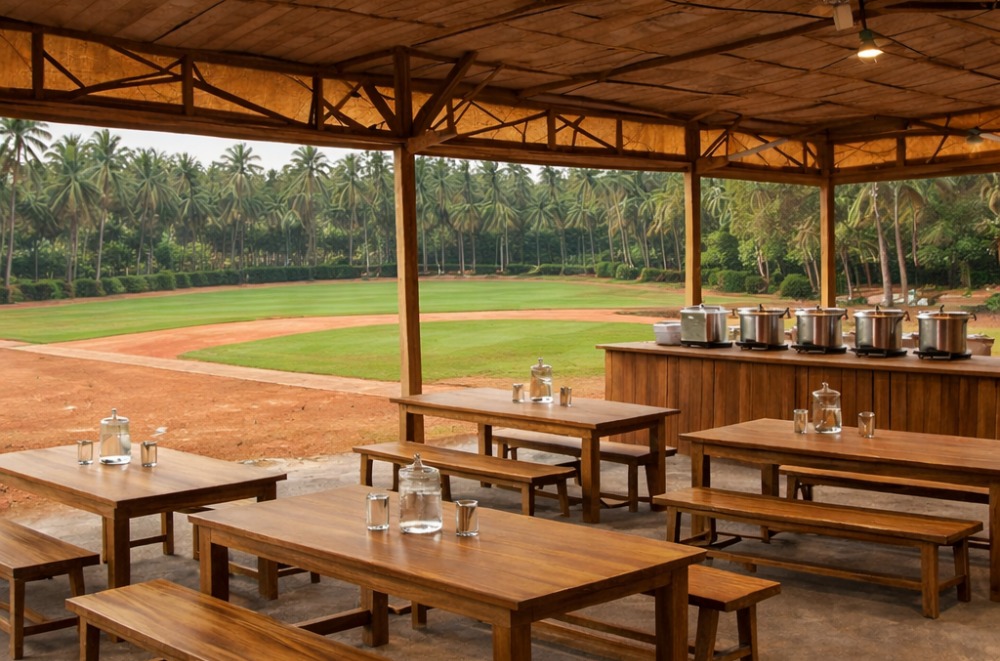
The demand side of the equation suggests the Coconuts are tapping into a burgeoning market. Locally, the hunger for baseball and softball in Bohol is high, fueled by the club’s community kitchen and academic support programs. Internationally, there is a growing segment of investors seeking “alternative assets”—investments that offer a blend of social impact, lifestyle perks, and long-term upside.
“We aren’t competing with IMG Academy or the MLB complexes in the Dominican Republic,” Coach Merv asserts. “We are creating a new category. We offer year-round training in a destination environment with a lower operating base and a higher ‘story-to-dollar’ ratio.”
Navigating the Risks
The path to 2027 is not without risk. Weather disruptions, infrastructure delays, and the uncertainty of regional baseball growth are real concerns. A project this ambitious depends heavily on the steady adoption of the Founders Club model.
“We have to be honest about the risks,” Lerma says. “Building too fast can be as dangerous as building too slow. We are balancing the need for top-notch facility with the reality of early-stage revenue instability.”
The Sustainability Flywheel
The ultimate goal is to reach the “Flywheel” stage: The Founders Club funds the operations; those operations develop elite players and compelling content; the content builds a global audience; the audience attracts major sponsors; and those sponsors fund the expansion of the infrastructure.
It is a departure from the traditional sports model, but the Coconuts team argues it is the only one that works in the modern era. U.S. academies often struggle with astronomical overhead, and Latin American academies are frequently at the mercy of MLB’s shifting scouting budgets. The Coconuts model, by contrast, is diversified.
The Bigger Vision

Looking ahead, the vision extends across the shores of Bohol. The “Coconuts Model” is designed to be replicable. If the “Jungle Academy” proves sustainable, it could serve as a blueprint for sports-driven community development across the island.
“This is for the long-term thinkers,” Coach Merv concludes. “If you’re looking for a quick flip or a passive-only ROI, this isn’t for you. But if you believe that a system of aligned incentives can change a community and develop world-class talent, then the jungle is the best place in the world to be.”
Can a jungle academy become sustainable? The answer isn’t found in a spreadsheet alone. It’s found in the fusion of sports, lifestyle, and a new kind of ownership. The question isn’t whether the Coconuts can survive—it’s whether this new model of “purpose-driven business” will redefine how we build sports legacies in the 21st century.
To explore membership or follow the build, visit the Bohol Coconuts website and learn more about the mission to uplift a generation of kids from poverty with academic contests, social activities, and elite baseball and softball training.