


The first camera will go up before the first shovel hits the ground.
This is not an accident. It was a decision — deliberate, debated, and ultimately definitive — made by Coach Merv Moore, the American co-founder of the Bohol Coconuts Baseball and Softball Club, before a single piece of lumber and bamboo has been ordered, before the performance center existed as anything more than a vision drawn on paper 30,000 feet above the Pacific Ocean.
“I knew from the beginning that the story was going to be bigger than the training facility,” Coach Merv says, sitting in his home office in Texas. “You can build something and tell people about it afterward. Or you can let people watch you build it in real time, when nothing is guaranteed, when everything could fall apart tomorrow. That second version is the one worth telling.”
That instinct — raw, unfiltered, slightly uncomfortable — is what produced Building the Coconuts, a YouTube reality docuseries that will follow the Moore family and their team through every obstacle, decision, setback, and breakthrough in the construction and launch of the Coconuts Performance Center, Bohol’s first elite baseball and softball academy. Six cast members. Twenty-four-seven cameras. Zero easy days promised.
This marketing strategy is a departure from the way sports organizations typically present themselves to the world. And that, Coach Merv insists, is exactly the point.
The Case Against the Highlight Reel
Coach Merv has spent more than thirty years building things in places where building things was hard. Baseball programs in Switzerland. Development camps in Bhutan. A short stint in Nepal. A missed opportunity in China. A national fastpitch softball team in Brunei. A media publishing career in Texas before any of that. He has watched organizations succeed and fail, and he has paid attention to what separates the ones that last from the ones that don’t.
“People can smell a highlight reel,” he says. “They’ve been marketed to their whole lives. They know when they’re being sold something versus when they’re watching something real. And the moment you start curating everything — the moment you only show the wins — you’ve already lost the connection that makes people actually care.”
That philosophy runs directly against the instincts of most organizational communications teams, whose default setting is control: control the message, control the imagery, control what the public sees and when they see it. Coach Merv made the opposite call. When the cameras for Building the Coconuts are mounted and the filming protocol is established, the guiding principle will be simple and slightly unsettling: film everything, and figure out what to protect later.
“We don’t script anything. We don’t set up shots to make things look easier than they are. If something goes wrong — and things will go wrong on a construction site in the Philippine jungle almost every single day — we keep filming. That’s the show. The struggle is the show.”
The risks of that approach are not theoretical. A 24/7 documentary record of a construction project in a mountainous, weather-volatile, logistically complex island environment means that every cost overrun, every argument, every moment of doubt, every day when the rain comes and nothing can move forward is part of the permanent record. Coach Merv is aware of this. However, he does not seem particularly bothered by it.
“If this thing works, the footage of the hard days is going to make the story extraordinary. If this thing doesn’t work, at least we were honest about what we tried to do. Either way, I’d rather be judged for the truth than praised for a version of events we manufactured.”
The Jungle Has a Vote
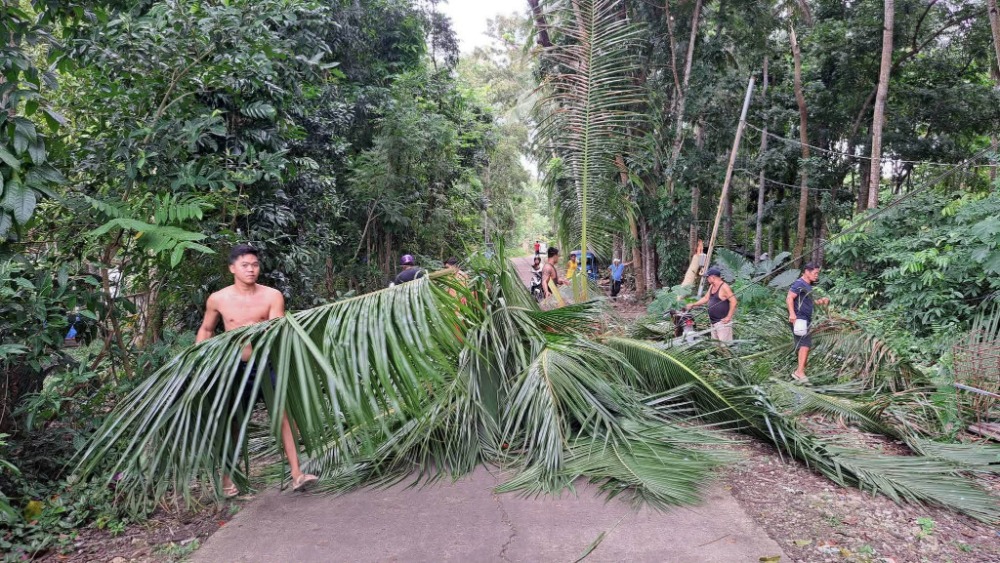
Understanding why radical transparency was chosen requires understanding where the Coconuts Performance Center is being built — and what that place demands of the people trying to build there.
Barangay Cambanac sits in the hills of Bohol, an island known globally for its Chocolate Hills, its pristine diving waters, and the kind of landscape that belongs on a travel magazine cover. That beauty is real. So is the resistance it puts up against anyone trying to build something permanent inside it.
The terrain is uneven and demanding. The weather during construction season is unpredictable — afternoon rains that appear without warning, occasional typhoon threats that can halt operations for days. Suppliers and materials that are standard in Manila or Cebu require additional time, planning, and cost to arrive in the interior of Bohol. Local permitting and community relationships require patience, cultural fluency, and the kind of trust that cannot be purchased or rushed.
“People watch these shows where someone builds a facility somewhere beautiful and it looks like everything falls into place,” Coach Merv says. “That’s not what this is. The jungle is not a backdrop. The jungle is part of the conflict. It has opinions. It pushes back. And we want our viewers to feel every bit of that resistance.”
Construction on the Coconuts Performance Center is scheduled to begin in June 2026, with the facility set to open in December of the same year. The six months between those two dates — will be captured in their entirety on film — and will form the spine of the series. What happens inside that window, Coach Merv freely admits, is something he can only partially predict.
“I know what we’re trying to build. I know the plan. But I’ve been building things long enough to know that the plan is just the beginning of the conversation. The jungle, the weather, the budget, the people — they all get a vote too.”
Lerma Moore: The Anchor the Cameras Always Find
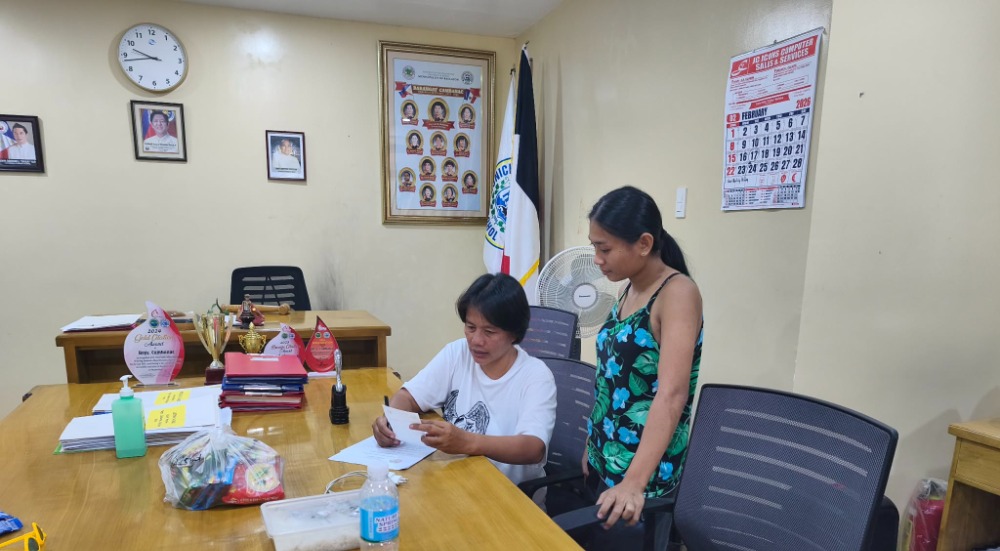
If Coach Merv is the architect of the vision, Lerma Moore — General Manager of the Coconuts Performance Center and a Kagawad of Barangay Cambanac — is the person who makes the vision functional. She is also, by the assessment of everyone involved in the production, one of the most compelling figures in the series.
Lerma grew up in Bohol, studied tourism and hospitality in Manila, and returned to her home island to build a life rooted in community, family, and service. She brings to the project a combination that is genuinely rare: deep local trust earned through years of public service, practical operational experience in hospitality and food service, and the cultural fluency to navigate between the international ambitions of her husband’s vision and the community expectations of the barangay where that vision will physically exist.
On camera, she is steady in a way that provides counterweight to the volatility of construction. Where Coach Merv tends to lean into pressure, Lerma tends to absorb it. That dynamic — two people with different temperaments, unified by the same mission, navigating the same impossible days — is a large part of what gives the series its emotional texture.
“I did not expect to be on television,” Lerma says with a quiet laugh. “But when Merv explained what he wanted to do — to be completely open about what we are building and how we are building it — I understood why it mattered. If we are asking the community to trust us, we should be willing to show them everything. Not just the good parts.”
Her perspective on the filming is grounded in something more local and more personal than production strategy. As a sitting Kagawad, Lerma has spent years watching development projects arrive with polished presentations and carefully managed public faces — and then either deliver on their promises or quietly retreat when the difficulty becomes apparent. She believes the cameras serve a purpose that goes beyond content creation.
“When people in Cambanac see the cameras, they know we are serious. They know we are not going to quietly disappear. Everything we do is on record. For a community that has learned to be cautious about outsiders with big plans, that matters more than any speech anyone could give.”
A Local Voice: What the Barangay Sees
The reception of the Bohol Coconuts project within Barangay Cambanac and the broader municipal community has been, by most accounts, cautiously optimistic — with the emphasis, at this stage, on cautious. Bohol has been the subject of development announcements before. The community has learned to wait and watch before it celebrates.
“We have seen projects come before,” says one local councilor who has followed the development of the Coconuts Performance Center closely. “Some of them built something. Some of them only built promises. What is different here is that we can see the work. The cameras, the website, the updates — the people behind this project are not hiding anything. In my experience, the ones who hide things are the ones who have something to hide. The ones who show you everything usually mean what they say.”
The councilor notes that the project’s potential impact on Cambanac extends well beyond baseball. The feeding program, the tutoring and academic support components, the employment of local construction workers and eventual facility staff, and the hospitality revenue that eco-lodge suites will generate for the youth are all part of a broader economic story that has gotten the attention of local government.
“Youth sports is one part of it,” the councilor says. “But what this academy brings if it is built correctly — employment, visitors, attention from outside Bohol — that is something that a barangay like Cambanac does not get every day. We are watching. We are hopeful. And so far, what we have seen gives us reason to keep watching.”
What Coach Merv Hopes You Take Away
The conversation eventually arrives at the question that sits underneath the entire enterprise: what does Coach Merv Moore actually hope a viewer takes away from watching Building the Coconuts?
He is quiet for a moment — which is normal from a man who shuns the spotlight and plans to work behind the scenes while promoting his student-athletes.
“I want them to see that the impossible thing is worth trying,” he says finally. “Not because it’s easy. Not because it’s guaranteed. But because the act of trying — really trying, in public, with everything on the line — is itself something worth doing.”
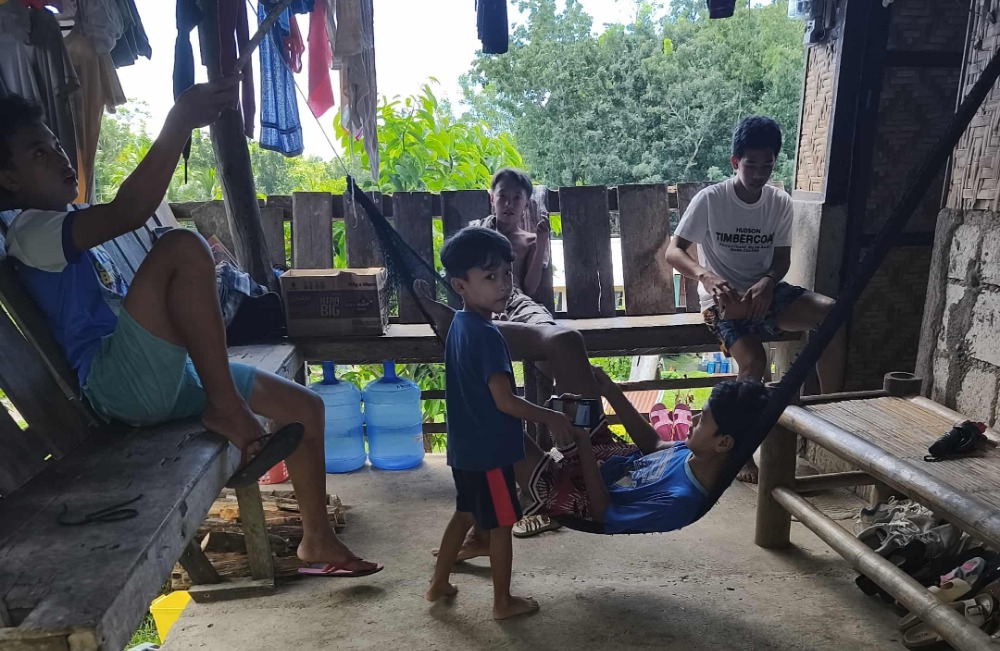
“These kids in Bohol right now, who have never had access to elite coaching, never had a field worth training on, never had anyone tell them they could be world-class. I want them to watch this show and understand that someone believed in them enough to build something from nothing in their backyard.”
He pauses again.
“And I want the people watching from somewhere else in the world — Japan, the United States, Europe, wherever — to see Bohol the way I see it. Not as a place where things are hard. As a place where something extraordinary is possible.”
Building the Coconuts will be available on the Bohol Coconuts YouTube channel starting June 23. Sponsorship opportunities for the series are available at www.bohol-coconuts.com/building-the-coconuts-sponsorship-packages. To learn more about the Bohol Coconuts Baseball and Softball Club, visit www.bohol-coconuts.com. To explore the Founders Club and available Eco-Lodge Suites, visit www.bohol-coconuts.com/founders-club.